Mostar and surrounds

Mostar is famous for its Ottoman bridge that joins the two sides of the old town that flank the Neretva River.

It’s beautiful by day and by night. Especially when there is a full moon.

The river divides the city not just physically but also culturally with the west bank of the town being primarily Muslim and the east bank Christian.

The bridge was destroyed during the cival war and its reconstruction has become a symbol of the cities resilience.

The scars of the civil war are still evident on the buildings.

But in the housing estates in the new city, the power of art, in the form of murals, provides some salve.

It was wonderful to see an artist at work.

Around 15km from Mostar is the Vrelo Bune or the River Buna Spring at the village of Blagaj.

The spring is one of the largest in Europe flows from a large cave in the limestone cliffs.

The ruins of

At the cave mouth is an old Sufi Mosque, the Blagej Tekke. A beautiful place of silence and beauty built is the 16th century and a place of pilgrimage for Sufi pilgrams from Pakistan.

You know you are in the east when the Italian espresso machine gives way to …

Bosnia and Herzegovina is sandwiched between Serbia and Croatia and was invaded by each army in the civil war.

There were many atrocities.

The ruins of Pocitelj, an old Ottoman village, its stones tell the tale of the endless battles fought.

Croatia 2 – Split and the Central Mountains

From the Gacka Valley, I headed south along the mountains to Lake Peruca, in the mountains east of Split.

The mountain road south runs parallel with the Bosnia and Herzegovina Border, and through the Dinaric Alps

This region hosts the Dinaric Rally, a major cross country motorcycle endurance event.

Lake Peruca is a man made lake and a major source of hydro electricity. It also has a number of camping sites and villages.

I chose Camping Peruca by the lake. The campsite had water access for swimming. From the campsite, it was a short ride into the Danaric Ranges and the headwaters of the Certina River that feeds the dam.

The ride to Split is a little over an hour, mostly winding through the Certina Valley.

Spit is Croatia’s second largest city. Its a great place to get any equipment, like misplaced gloves or gloves or repairs such as a new tyre. Its also a ferry hub. As I came into Split in mid August and left late September. While it was still pleasantly warm in September, there were nowhere near the crowds, so getting around the old and new city was a lot easier.

The old city was interesting with its mix of Roman and Greek architecture.

Out of the old city and main harbour the new city is colourful and where the best swimming beaches are.

As an old city, Split didn’t have the history or beauty of Ortigia (which I found entrancing). But it is well placed for visiting other Balkan countries and for accessing the many islands on the Croatian coast.

Croatia 1 – northern mountains

The overnight ferry from Anconna arrived in Split on a hot Croatian morning.

With very hot weather forcast for the Croation Coast, I decided to head to mountains of Northern Croatia, in particular the Gacka Valley.

The cleat water of the Gacko river flows through the valley.

The Gacko Valley sits between two natural attractions in Croatia; Plitvice Lakes National Park and the Samograd Cave.

The Plitvice Lakes are a spectacular series of lakes and waterfall.

Entry into the National Park is strictly ticketed, and given it was the peak holiday season, there were large crowds. I, therefore, took a walk around a forest trail that overlooks the Lakes. As you can see, it gives good views of the lakes and puts you at the top of some on the waterfalls.

The Samograd Cave goes deep into the limestome mountains, and the 8c temperature inside the cave quite a contrast to the 35c+ temperatures on a hot mid August day.

Access to the cave is ticketed and is underaken in small groups with a guide.

The motorcycle riding through these mountains is beautiful.

On a hot summer, the mountains are about 4c less than on the coast. For me that meant low to mid 30s and opposed to high 30s.

But don’t worry, you can still find a place to swim if you get local advice. I was given directions to this lovely swimming hole between Gacka and the Plitvice Lakes.

A little birdie told me …

That I should take a break from posting about my European Travels and show the beauty of what’s happening around me in Australia’s Spring.

Melbourne is a big city but it has some havens for wildlife, especially bird life.

The Koroit Creek estuary is only a few kilometres from me and a wonderful place to see pelicans, spoonbills, egrets, herons, and swans

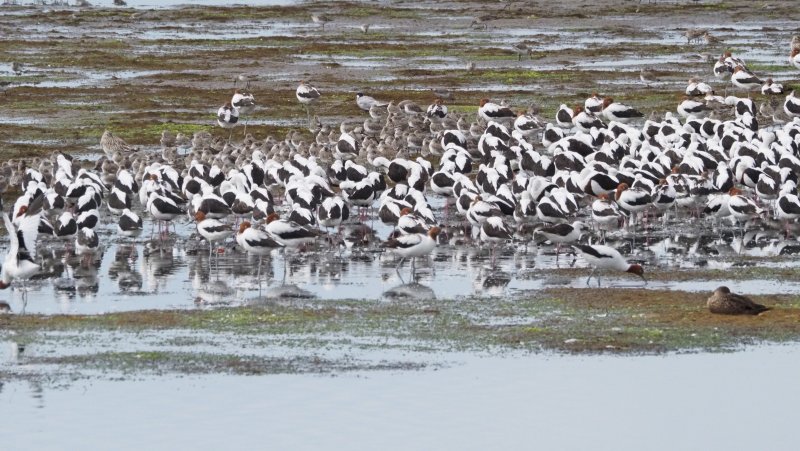
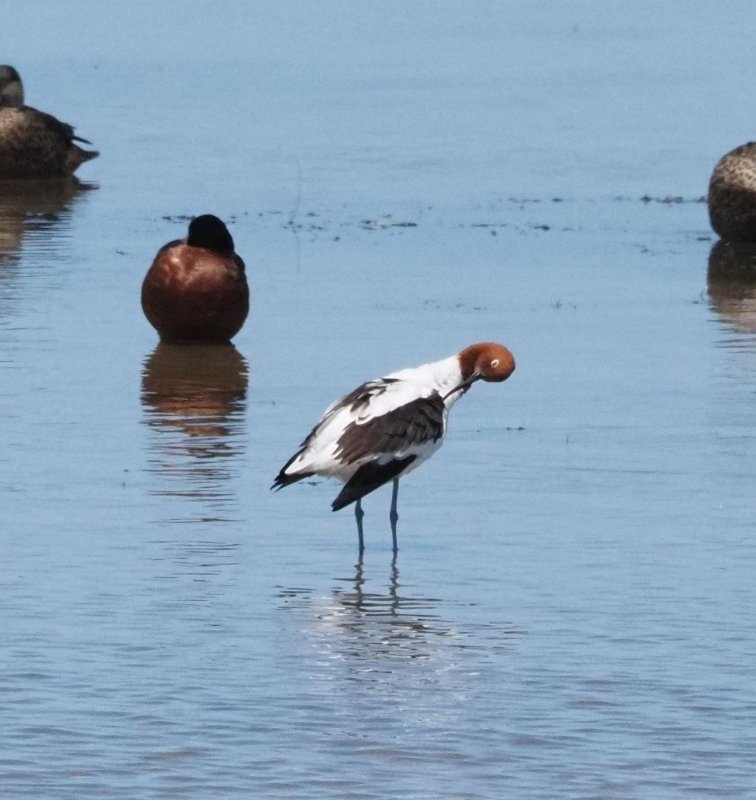
Laverton Creek estuary is a Ramsar site for migratory birds. There are so many birds there at the moment. I remember a couple of weeks back, a flock of red necked avocets flew overhead as I was cycling along. The sight took my breath away.

A short walk away from me in Newport Lakes, a beautiful urban forest with beautiful bush birds.

And a reptile or two as well.

Spring time is just so beautiful as nature comes to life. The heat of summer is yet to come, and warm dry days interchange with cooler damp ones.

Hope you enjoy this little interlude!

Puglia – Manfredonia and Gargona National Park

Manfredonia sits at the northern end of Puglia on the Adriatic Sea, nestled, south of the Gargona Promontory.

Its a lively town with a big fishing fleet and wonderful seafood restaurants.

It’s flanked by beaches.

And wet lands

The Gargona National Park is on a plateau with ancient forests, amazing motorcycling roads, and historic towns and villages.

Monte Sant’Angelo is a UNESCO World Heritage village perched up on the Gargona Escarpment. It is recognised as one of the most beautiful villages in Italy.

The Sactuary of Saint Michael the Archangel is in a cave church dating back to the 9th century.

The village is indeed beautiful with views to the sea, beautiful old pedestrian walkways, and beautiful local food