In Queensland it’s coal vs nature on the FrontLine Action on Coal (FLAC)

In North Queensland only a few hundred kilometres inland from the World Heritage Great Barrier Reef is some of the most intensive coal mining in the world.

The Stop Adani Campaign has been the headline battle to try and stop the coal behemoth swallow up the fragile land water and wildlife churn it and just spit it out as tailing and pollution

Bob Brown Stop Adani convoy 2019

And the fight still goes on at FLAC https://frontlineaction.org/

The west of Queensland is dry and outside the wet season the riverbeds are dry sand

And farmers, animals, birdlife and native flora rely on water stored underground.

It bubbles up in springs across inland Australia. The springs I swam in on the Oodnadatta Track, thousands of kilometres away are linked and fed water by the Queensland springs.

Springs like Doongmabulla Spings https://www.defendourwater.org/springs#:~:text=The%20Doongmabulla%20Springs%20complex%20is,very%20dry%20landscape%5B1%5D.&text=These%20springs%20are%20like%20oases,They%20also%20support%20remarkable%20ecosystems.

Source https://news.flinders.edu.au/blog/2019/06/12/groundwater-plan-flawed-experts-warn/

An oasis in the harsh outback of Queensland which could likely be drained to wash the coal extracted from The Adani Mine.

Water is essential to preserving the beautiful things of nature.

Beautiful birds

None of the birds above are threatened but at the Adani site, there are endangered species of birds that could be wiped out.

In outback Australia, water is life. For people, for food production, for Australia’s unique fauna and flora.

We don’t need to use it to waste it on a new coal mine when the future is in renewable energy not coal or gas.

If you can support FLAC. Visit https://frontlineaction.org/

Camped at Camp Binbee Under the Milky Way at Night

The Pacific Ocean Beaches of Northern NSW

The ocean beaches of Northern NSW are the most beautiful I have seen.

The broad sweep of sand

The rolling blue ocean

Town beaches like Byron Bay (above) and Yamba (below)

The beautiful lighthouses on the capes

Sentinels for the sailors as sea.

But its the quiet,

The wild

The largely deserted

The hard to get to beaches on the coast that I love

Beaches like…

Ah you have to search for your own tranquillity!!!!

Where the surf pounds in

And the you can stand alone on the sandy beaches.

Image by Clare Rynhart

With a sea eagle circling overhead as a companion.

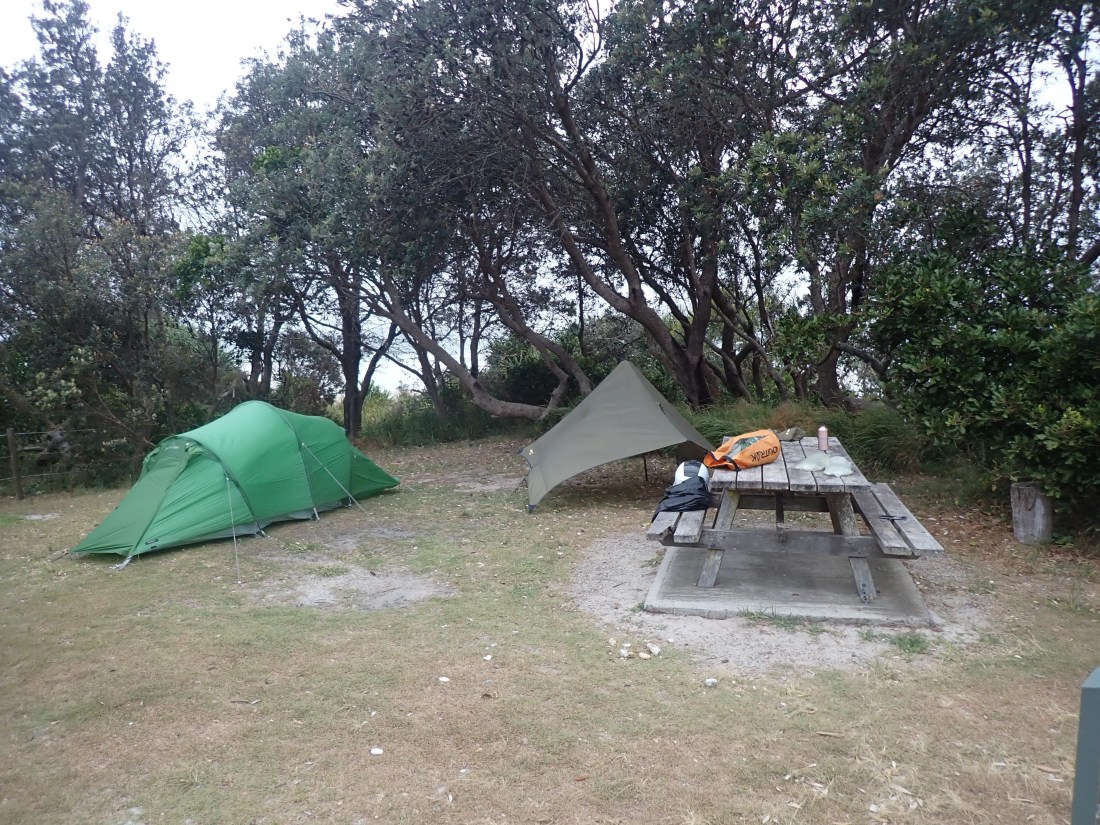
Set up the little tent

And at night be bedazzled by the Milky Way.

But the Pacific isn’t always peaceful

It doesn’t always contain its power

The a big swell expoding against the south wall at Coff Harbour a testament to the power of the sea.

It was beautiful spending the last of a mild Autumn on the NSW North Coast.

But the southern hemisphere winter is here and the temperatures are falling.

I’m sitting with my friend in South East Queensland

Tomorrow its time to head back north to the tropics.

Towards the start of the Savannah Way and the ride across the tropical North of Australia.

Desert gives way to Rainforest in the Bunya Mountains

The Bunya Mountains are west of Brisbane in Australia’s Great Dividing Range and house the world’s largest Bunya Pine forest.

The Bunya Pine is one of the few plants surviving from the Jurassic period -200 million years ago these magnificent trees developed and the Bunya Mountains is the place on the planet where they are still prolific.

What a place to camp for my last nights before reaching my destination.

I love the Bunya’s droopy branches and leaves.

To me they resemble giant rastas with their shaggy dreadlocks towering above the forest.

Walking in this beautiful cool rainforest wa such a contrast to the hot dry heat of the central Australia.

Walking amongst the trees

Walking through the trees.

Gardens on the ground

And in the trees in the shape of ferns and moss on the trees.

The gentle wallabies are in the camp grounds and on the trails.

At the northern end of the range at Mt Kiangarow, the forest is drier and grass trees prolific.

The view from Mt Kiangarow magnificent

By day

And at sunset.

That is just over 10,000km completed since I left Melbourne on 1 March 2021

What a ride:

Along the Great Ocean Road

Through the Coorong

Into the Flinders Ranges

Up the Oodnadatta Track

Immersed in the Red Centre

Across outback the Northern Territory and Queensland

Climb into the Bunya Mountains.

And now it’s the wedding on Saturday and I made it on time.

Central Australia Adventure 12 – Uluru and Kata Tjuta

The Uluru – Kata Tjuta National Park in many ways the centre of Australia

Uluru the largest monolith in the world.

Constantly changing colour and tone as the light hits it.

To see it shine red during sunset it amazing

To see it at sunset with the March full moon rising on the equinox truly spiritual.

The walk around the base of Uluru is approximately 10.5 km.

Uluru is a sacred place for Aboriginal Australians and being close to it one feels the sacred power of the rock that is ever changing in colour and mood.

Each crevice, crack, cave and stain tell part of an Aboriginal dreamtime story.

Stories often told in drawing in the rock caves.

Kata Tjuta is approximately 40 km from Uluru. A series of sandstone rocks through which valleys wind.

The Valley of the Winds walk is an approximately 7km walk through the rock outcrops

As I sit in a hotel room in Longreach, Queensland, reflecting on the two weeks spent immersed in the Red Centre a shiver still goes down my spine.

It took me almost a lifetime to get here but I may yet be back.

Central Australia Adventure 11 – Watarrka or Kings Canyon

There are two ways to travel between Alice Springs and Kings Canyon. The long way down the Stuart Highway or the short rough way on the dirt Mereenie loop road.

Road both but only the loop road was worth a picture!

Mereenie Sandstone formed in Central Australia about 400 million years ago.

By the size of the corrugations on the loop road that was the last time the road was graded!

The loop road leads directly to Watarrka National Park which includes Kings Canyon

The Rim Walk is a spectacular walk of around 8 km around the rim and into Kings Canyon

The views looking out from and across the top of the Canyon rim are amazing

Looking into the Canyon one can only marvel at the power of nature to cut so precisely the ancient sandstone with only water and wind as tools.

And when walking down into the Canyon floor

Where water flows and plants flourish there is a beautiful cool calmness silent away from the heat of the Rim.

Kings Canyon is one of the major destinations in Central Australia. I think you can see why.