Croatia 3 – the south coast and Dubrovnik

Dubrovnik was only about an hour from the Montenegro border on the return trip to Split after from Turkey. It was late September, and the high temperatures had moderated. Also there were a lot fewer tourists visiting.

Hence, it was a good time for this tourist to visit this famous city.

While the old city is the tourist focus of Dubrovnik, the new town is vibrant with lots of cafes and access to beaches.

Heading north along the coast toward Split in late September was a beautiful ride. In mid-August, an attempt to travel south from Split just led to gridlock and frustration.

There are beautiful views of the offshore islands and quaint villages and yacht harbours along the way.

One of the beautiful small towns is Omis. It’s only 25km south of Split and sitson the estuary of the Certina river.

Unfortunately, the skies opened (one of only a few wet days I had in 3 months of travel) at Omis, so exploring the town and its beaches was limited.

That put me back in Split, and as September was drawing to a close Iqas on the night, ferry back to Italy.

Croatia 2 – Split and the Central Mountains

From the Gacka Valley, I headed south along the mountains to Lake Peruca, in the mountains east of Split.

The mountain road south runs parallel with the Bosnia and Herzegovina Border, and through the Dinaric Alps

This region hosts the Dinaric Rally, a major cross country motorcycle endurance event.

Lake Peruca is a man made lake and a major source of hydro electricity. It also has a number of camping sites and villages.

I chose Camping Peruca by the lake. The campsite had water access for swimming. From the campsite, it was a short ride into the Danaric Ranges and the headwaters of the Certina River that feeds the dam.

The ride to Split is a little over an hour, mostly winding through the Certina Valley.

Spit is Croatia’s second largest city. Its a great place to get any equipment, like misplaced gloves or gloves or repairs such as a new tyre. Its also a ferry hub. As I came into Split in mid August and left late September. While it was still pleasantly warm in September, there were nowhere near the crowds, so getting around the old and new city was a lot easier.

The old city was interesting with its mix of Roman and Greek architecture.

Out of the old city and main harbour the new city is colourful and where the best swimming beaches are.

As an old city, Split didn’t have the history or beauty of Ortigia (which I found entrancing). But it is well placed for visiting other Balkan countries and for accessing the many islands on the Croatian coast.

Puglia – Manfredonia and Gargona National Park

Manfredonia sits at the northern end of Puglia on the Adriatic Sea, nestled, south of the Gargona Promontory.

Its a lively town with a big fishing fleet and wonderful seafood restaurants.

It’s flanked by beaches.

And wet lands

The Gargona National Park is on a plateau with ancient forests, amazing motorcycling roads, and historic towns and villages.

Monte Sant’Angelo is a UNESCO World Heritage village perched up on the Gargona Escarpment. It is recognised as one of the most beautiful villages in Italy.

The Sactuary of Saint Michael the Archangel is in a cave church dating back to the 9th century.

The village is indeed beautiful with views to the sea, beautiful old pedestrian walkways, and beautiful local food

Puglia – Alberobello

The ferry from Messina landed in Vill San Giovani, Calabria. An overnight stop before heading to Puglia on Italy’s east coast.

In the village, there was dancing in the streets.

From the toe of Italy, the route to the east winds along the coast and over the mountains of Calabria.with spectacular views.

Then past the southern beaches with castello on the headland

To Puglia on Italy’s heel.

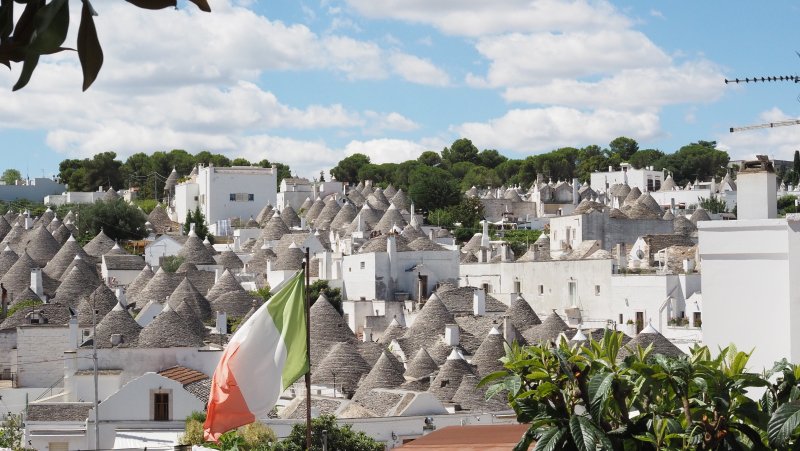
Alberobello is in the region on Puglia and is famous for its unique trulli stone houses.

The special building have led to Alberobello being declared a UNESCO world heritage site.

Its is truly beautiful to walk the streets lined by Trulli!

Cherbourg Scenes

Just on the edge of the old part of Cherbourg is a graving dock emblematic of the cities maritime history.

I’ve come and gone on ferries from Cherbourg on a number of times to Ireland and to ports in England.

The street markets are full of colour.

The maritime scenes touch the imagination of an old Sailor like me.

From the marina of modern yachts to old classics.

The historic theatre a tribute to French great playwrights such as Moliere, my favourite.

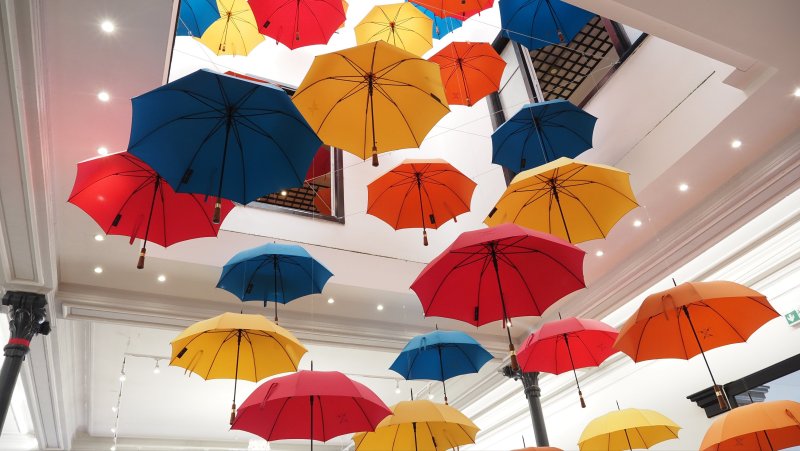
In every town I find there is something a little quirky. In Cherbourg it’s the parasol factory and boutique.

And of course the great European moto culture is evident at the hotel with dedicated garage for motorbikes!