Been out Back o’ Bourke

In other words the outback,

Out past where the Darling River flows.

Where the roads are rough dirt and sand

The land is harsh and hot

That’s 45c hot on an early autumn day and the days in 38 – 45c range stretched on while I was there.

The recent floods meant that the inland rivers were flowing.

And in Wilcannia where the banks are 12 metres above the normal river height

But the high water line on the doors of the shower cubicals shows the flood got well over 12 metres.

The locals told me that in Bourke when the water was at its highest it was running over the old wooden lift bridge. A relic from the days when paddle steamers plied Australia’s inland rivers.

Water is life. Not just for humans, but for animals, especially birds.

The kites circling in the skies over the rivers.

The waterbirds in the river.

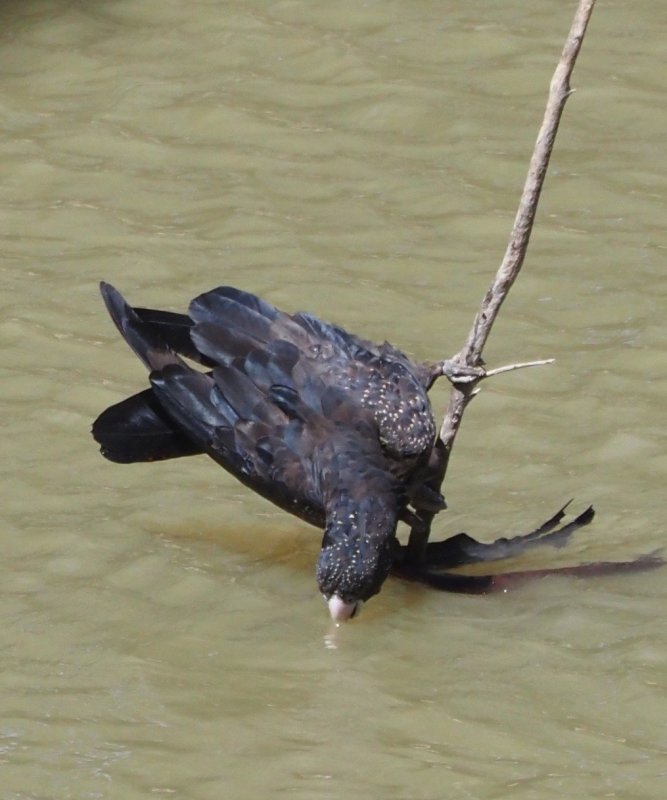
My favourite was the raucous Glossy Black Cockatoos that came down to the river to drink.

While there is always beauty there are also constant reminders of the harshness of the Outback.

There is also something quirky outback and for me this time it was an amazing stick insect.

There is also something quirky outback and for me this time it was an amazing stick insect.

The dry, dusty, sandy, and rutted roads

The dry red soil

The millions of fish that die when the relentless heat suck all the oxygen out of the water.

The dead Dingo hung in the tree. Supposedly to scare off other Dingos, but more likely a reassurance to the shooter that he has control of the environment. There is no controlling this wild country.

Not far on from.the Dingo Tree is Warnaaring -200kn out Back o’ Bourke. I stayed at the camp ground.

The owner just laughed when I said I was looking forward to a cool shower.

I turned what I thought was the cold tap. Scalding water came spurting out. I quickly turned the tap off. I turned on the other tap and heard the gas hot water heater burst into life as piping hot water came forth.- tap off. Back to my first choice of tap and let it run a bit.

Agh after a little while a nice hot shower from the cold water tap. I guess that’s how hot the sandy soil gets after long spells of 40c heat.0

There is always something quirky about the outback, everytime I visit. This time it was amazing stick insect

You have to look so closely to distinguish it from the tree twigs!

Each trip to the outback is a learning experience.

Back heading west on the Savannah Way and a stop at Keep River National Park

The savannah woodlands stretched out to the horizon.

Crossing the big rivers I didn’t need a sign to say I was back on the Savannah Way.

Just before the Northern Territory/ Western Australia border there is the Keep River National Park.

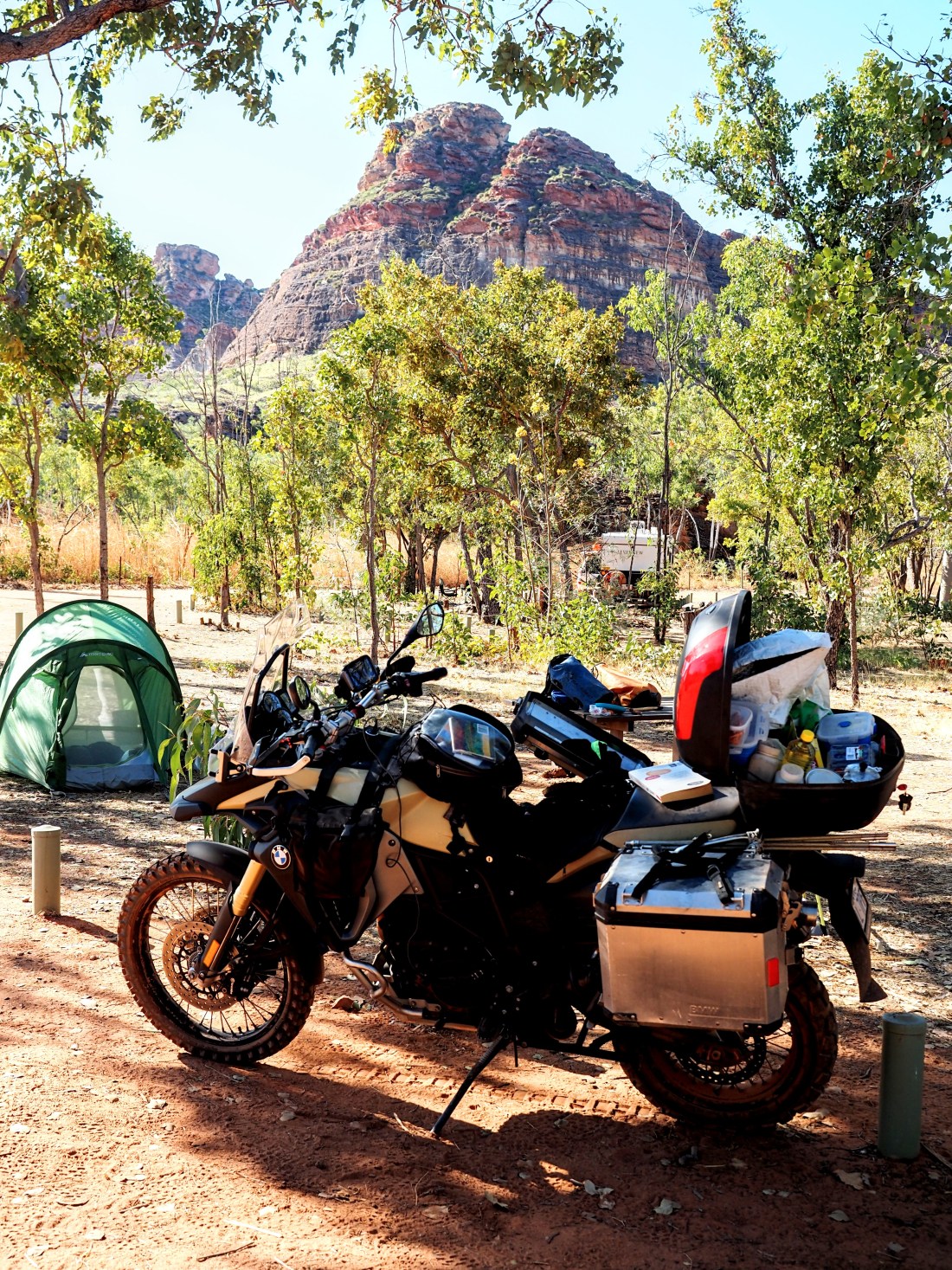
About 18 km in from the Rangers station is the main camping ground.

A special part of North Western Australia is the amazing rock formations.

There are a number of walks through the rock canyons at Keep River. I will give you a taste of these beautiful rock formations.

From the lookout the rocky range stretches out through the savannah

The stunning colours of the rock and landscape.

And there is the beautiful Rainbow Bee Eater, flitting around the forest.
As the sun sets the rocks turn red reflecting the setting sun’s fire.

When the light is gone the Milky Way fills the sky.

There is nothing like the stars in the outback.

So I’m now sitting in Kununurra, in the State of Western Australia. Supplies have been purchased ready for the next outback leg of my journey.

Central Australian Adventure 2 – into the Flinders Ranges

The Flinders Ranges or Ikara in aboriginal language run from the southern end of Lake Eyre ( Kati Thanda to the sea at Port Augusta

I’m many ways the Ranges are a set of steps, a staircase leading from the south to the the red centre of Australia.

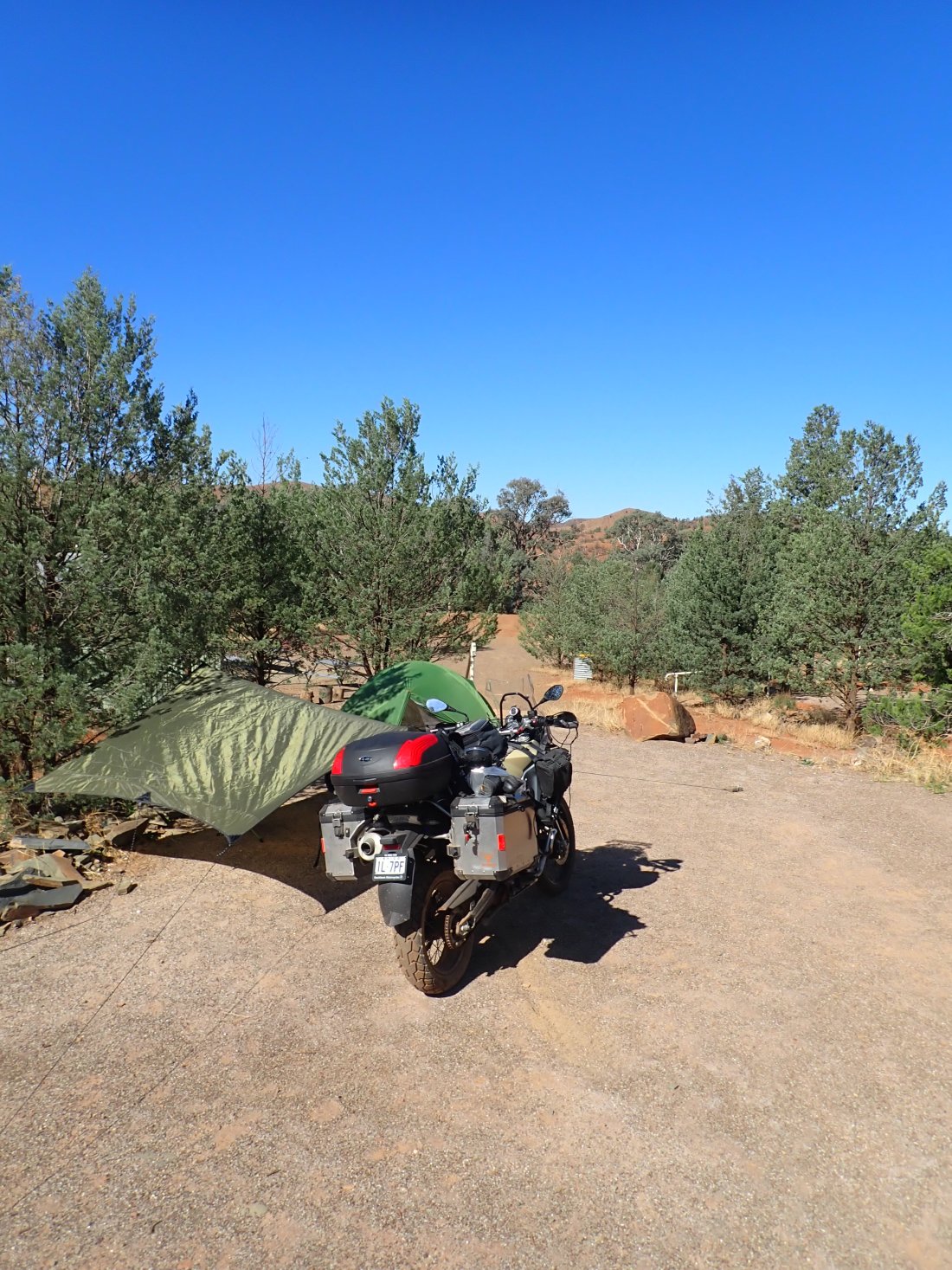
Willow Springs Staion provided the site for a couple nights camp.

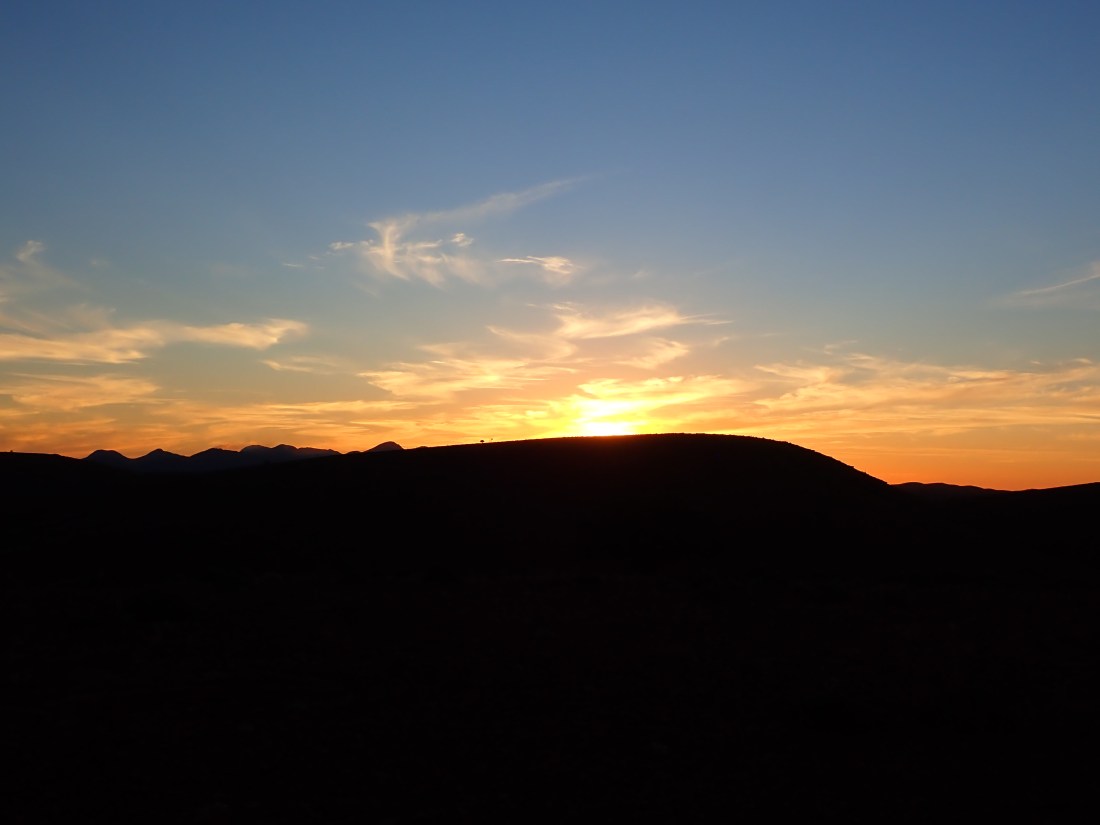
As sunset loomed I couldn’t help but climb the rim on the gorge the station is in to see the colours.

Then back to camp to set the camp fire and prepare dinner.

Great place to camp and the dawn gave a beautiful welcome to the new day.

There are special colours when you get to the edge of the desert.

Lockdown Reflections 4 – Rift Valley Lakes, Ethiopia

Hippo in Lake Chamo

Lake Chamo

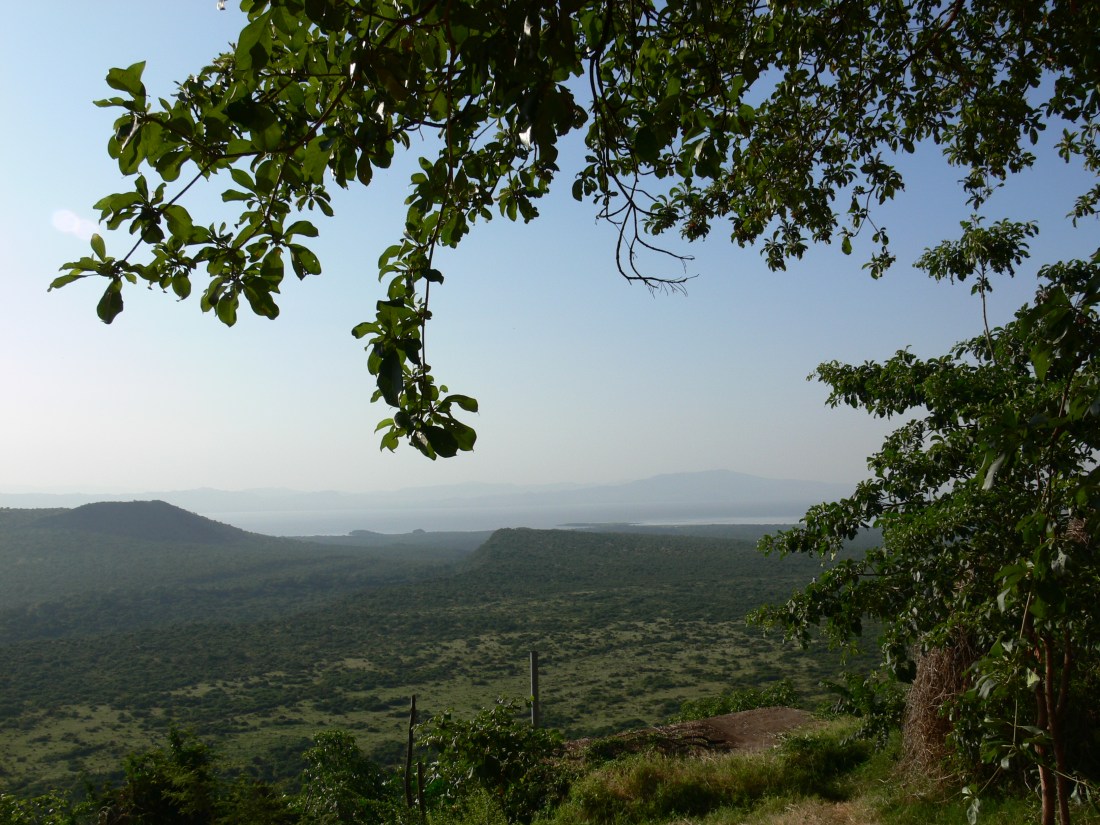
South of Addis Ababa, running down from Ethiopia’s central plateau is the Rift Valley

Near the city of Arba Minch is Lake Chamo the last of 8 lakes in the Rift Valley running south from Addis Ababa.

From points in Abar Minch you can look over Lake Chamo and Lake Abaya

Abar Minch is a great stepping off point to explore the tribal south of Ethiopia and the Bale mountains.

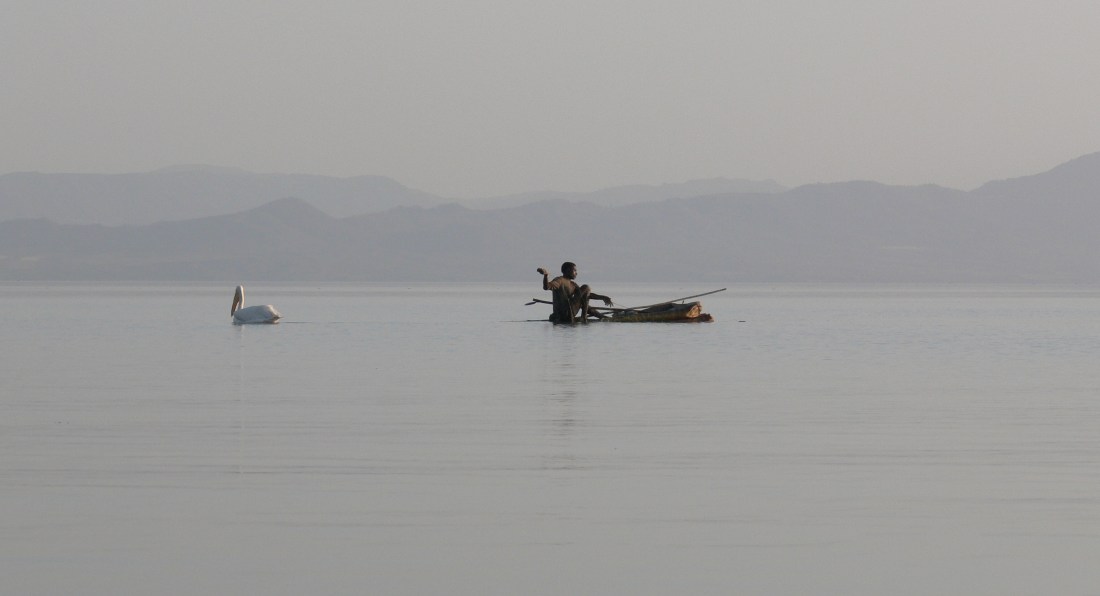
But a boat ride on Lake Chamo is a must before heading south.

To see the Nile Crocodile nursery

To see the African Pelicans. These birds migrate up into the Danube Delta in Romania for the European summer (see Danube Delta blog under Romania in the menu).

See the fishermen casting for Nile Perch just around the corner from the crocodile nursery

Till the sun starts to set on the beautiful lake.

Lake Awasa

Awassa and its lake are approximately 290 km south of Addis Ababa and a well serviced tourist destination.

At a bit over 1,700 meters above sea level Awasa retains the mild temperatures that are a feature of Ethiopia’s Central Plateau.

The colourful fishing boats and fish market is an attraction of Lake Awasa

As is the wild life in particular the Marabou Stalk, particularly in and around the fish market (see above)

But also:

Sea Eagles

King Fishers large and small,

Jacana and

Colobus monkeys on the lake shoreline.

The area around Awasa is very productive

With abundant fresh fruits

And lots of coffee being grown dried and sorted in the region.

Because Ethiopia is the home of coffee.

The Awasa Valley is also where Lucy the skeletal remains of a 3.2 million year old hominin were found.

The reconstructed skeleton of Lucy is on display in the National Museum of Ethiopia in Addis Ababa.

Ethiopia is an amazing country. One of a handful of countries never to be colonised by a European power. (Though there has been significant European presence and influence).

Unfortunately political tensions have again arisen which hopefully be resolved.

I leave my lockdown reflections of Ethiopia now.

Next reflections in Africa will be in Kenya and the amazing wildlife there.

For those wanting to find out more about Ethiopia I recommend the above book amazing research text and images.