Upside down World

Its been a while since I posted and much has happened.  Lots of travel, indulging more in nature photography in particular birds and family commitments.

When I looked at this White Plumed Honey Eater I was taken how effortlessly it hung upside down as it fed on the nectar.  It made me think that we humans are not so good being upside down and at the moment the world does seem all upside down.

Things are not the way they are supposed to be, not how I planned it anyway.  But the constant is nature!

In the photo above natures light shined beautifully highlighting the birds feathers, their fineness, their colour.

Nature was here long before humanity and I wonder if one day when humanity finally wipes itself out that Mother Nature will give a sigh of relief, thinking ” I thought those dinosaurs were hard work but those humans had no appreciation of the gifts they were given”

That’s enough homespun philosophy and my next blog will recap some of my recent travels and adventures.

Winter on the South West Coast of Victoria

Winter on the Great Ocean Road and in the Otway National Park is a time of quietness and subtle light.

The summer crowds have gone and it’s easy to quietly enjoy the place’s beauty.

The wind had been up for a couple of days. It was still, though, as I road down the ocean road, allowing a perfect curl on the waves at Apollo Bay.

Further west at Port Campbell, the wild sea gave an alternative view of the famous Twelve Apostles.

White water surrounding the sand stone monoloiths, crashing against then.

In winter, in the continuous mountain mist on the Otway Ranges, the rain forest has its winter beauty on display.

One of my favourite places in the Otway Ranges is Lake Elizabeth and its surrounding rainforest.

Though winter is cold and wet, in Australian way, the riding through the rainforest on empty roads is especially rewarding.

The cool climate rainforests of Victoria have a very special charm.

But in winter on the south coast of Australia, in the Southern Ocean, there is often a storm brewing out at sea.

Sicily- Ortigia and Etna

Having managed some sleep on the chaotic overnight ferry trip from Cagliari (Sardinia) to Palermo (Sicily), arriving at 5am, there was plenty of time to cross the Island to Syracuse.

While the heat wave conditions in Europe had eased, it was still summer, and at Syracuse, the Mediterranean called.

Ortigia is an ancient walled city on a little Islet in Syracuse. Its history dates back to 700bc. Its been Phonecean, Greek ,Roman,,, and now Italian.

Mount Etna looms over the east coast of Sicily, huffing and puffing steam and smoke.

The European and African push together in Sicily, and it’s at Etna that the steam of that collision is let off.

The road around Mount Etna is a fantastic ride up the mountain to the high village where there is a gondola and unimog bus to the volcano craters.

The steam coming from the Etna was impressive. Especially given that there had only recently had an eruption.

Sicily is close to northern Africa and is a frontline destination for people escaping was and issues of changing climate in Africa.

In Syracuse, a humanitarian rescue ship is replenishing.

At the harbour at Messina, there is a memorial to those who have died fleeing war and hunger.

Then, it was another ferry to Calabria on the Italian mainland.

Back to Queenscliff to Swim with the Seals

Finally the strong winds that had been blowing around the Rip, the entrance to Port Phillip had abated and a date to swim with the seals fixed.

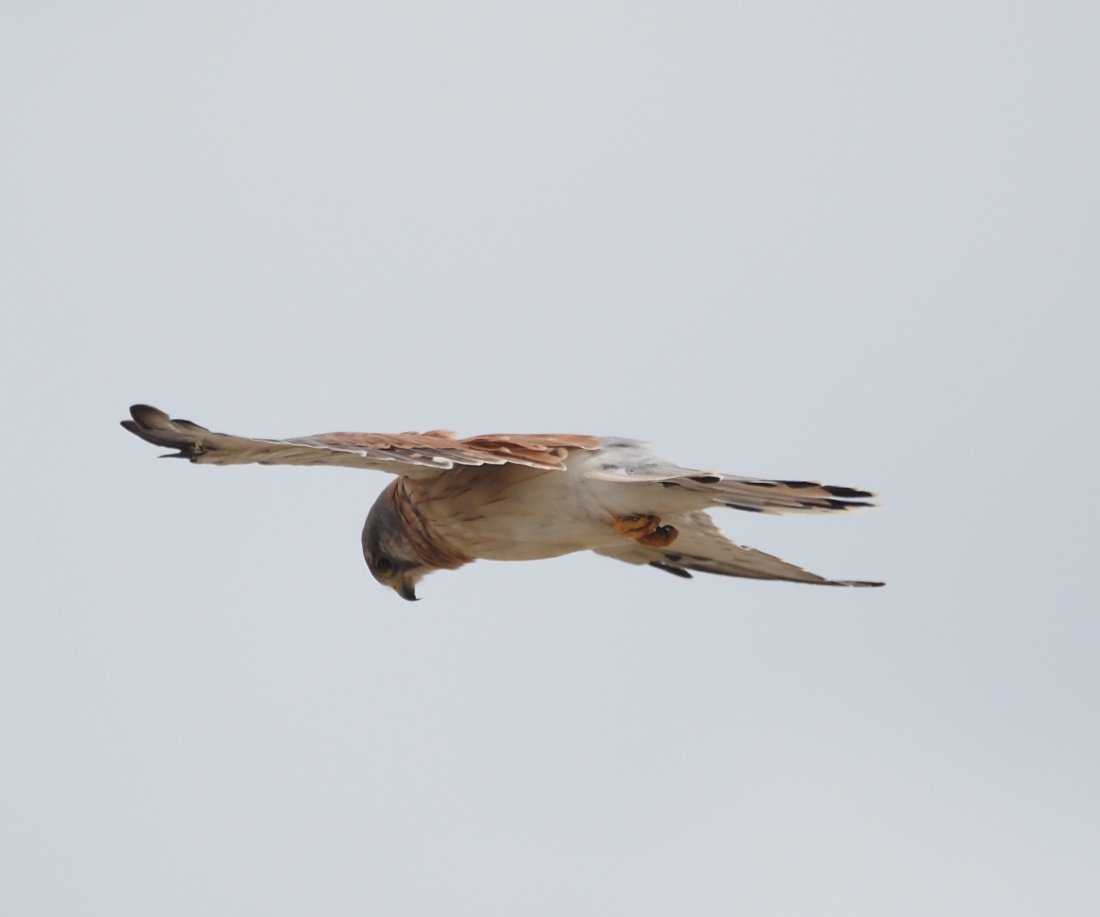
The evening before the swim, on Shortland Bluff overlooking the Rip, a Kestrel was riding the last of the wind as it hunted for prey

Then he spotted me and was off

As night fell the ships passed through the heads. Mechant ships going about their business and cruise ships sparkling bright in the night.

The next morning was still and the converted fishing boat awaited us.

Most of Port Phillip is marine sanctuary these days and hence a haven for wildlife. Structures have been built to give shelter to the Australian Fur Seals that reside in the Bay.

The seals are happy to join the swimmers in the water.

Along with a largish Smooth Sting Ray.

Pope’s Eye is an artificial reef also in the Port Phillip Heads National Park. It is a significant breeding area for the Australian Gannet.

There are also forests of kelp and other sea weed and colourful and inquisitive fish.

The crew were great as was the little old fishing boat.

Nothing like lolling in the net and watching the world go by!

The Sub- Tropical Mountain Gondwana Land Rain Forests On the Great Dividing Range of Australia. -1

I take a few backroads avoiding the main highways and the traffic. Especially the big trucks. Ah the aptly named Black Stump Way.

Coolah is a small town a bit over half way on the trip and the hotel a good place for a night stopover.

The painted silos at Barabba are worth a stop on the Fossickers Way that leads up into Queensland.

The King and Queen Parrot giving me a welcome to Queensland.

Tambourine Mountain sits just west of the Gold Coast. Its a pleasant tourist destination and Queensland’s first National Park. Established in 1905.

A beautiful place to walk in some gondwana rain forest.

As well.as the parrots the kookaburras were a plenty.

And as the night fell the lights of the Gold Coast twinkled in the distance.

Definitely a very different place and seemingly a world away.