Lockdown Reflections 2 – The Historic North of Ethiopia

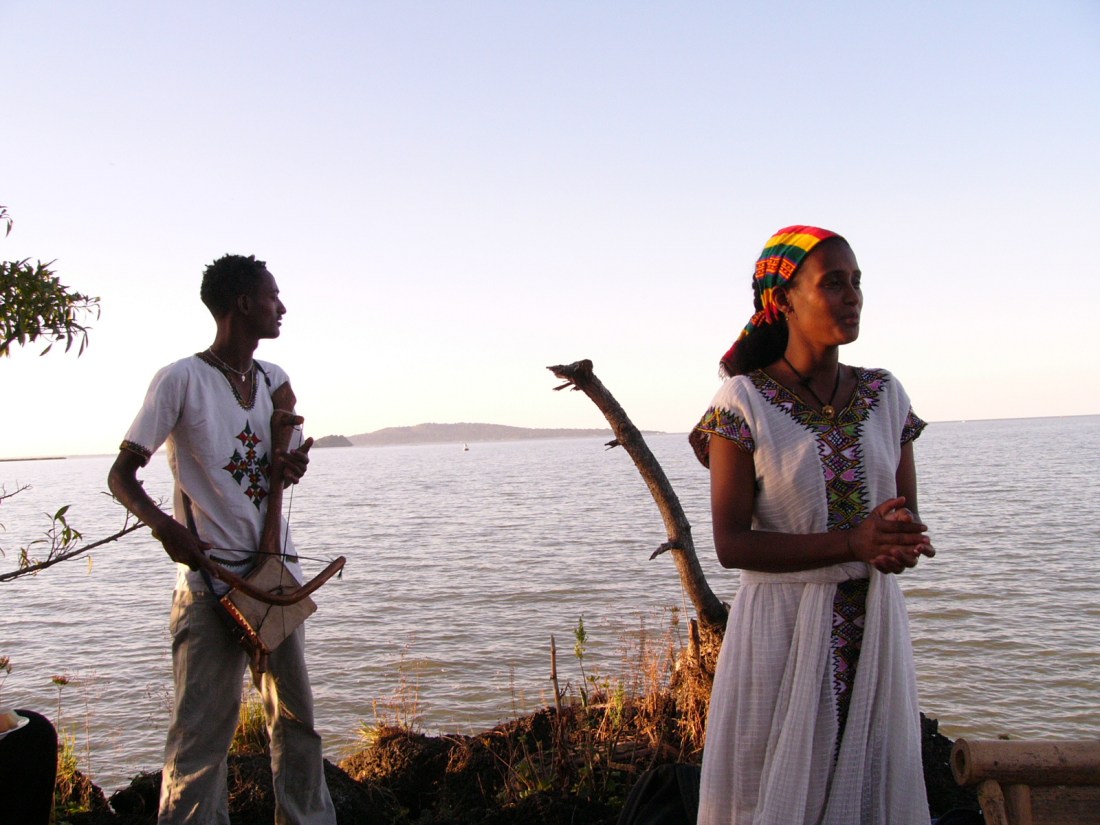
Traditional Amhara music on the shores of Lake Tana, Bahir Dar

The capital of Ethiopia, Addis Ababa sits pretty much in the centre of Ethiopia.

Addis Ababa (New Flower in English) was created as the capital by King Menelik II, the creator of modern Ethiopia, in 1886

North of Addis Ababa to the Eritrean border and to the Danakil Depression is termed the Historical North

It is the area which has most interaction with European culture and hence a region that is significantly Christian with cities that formed as their capitals.

It is also where we find Aksum the centre of the Kingdom of Aksum with a history reaching back to 4 BC

Ethiopian history extends from the Iron Age to Rastafarianism and beyond to much for this blog but worth a exploration.

Aksum

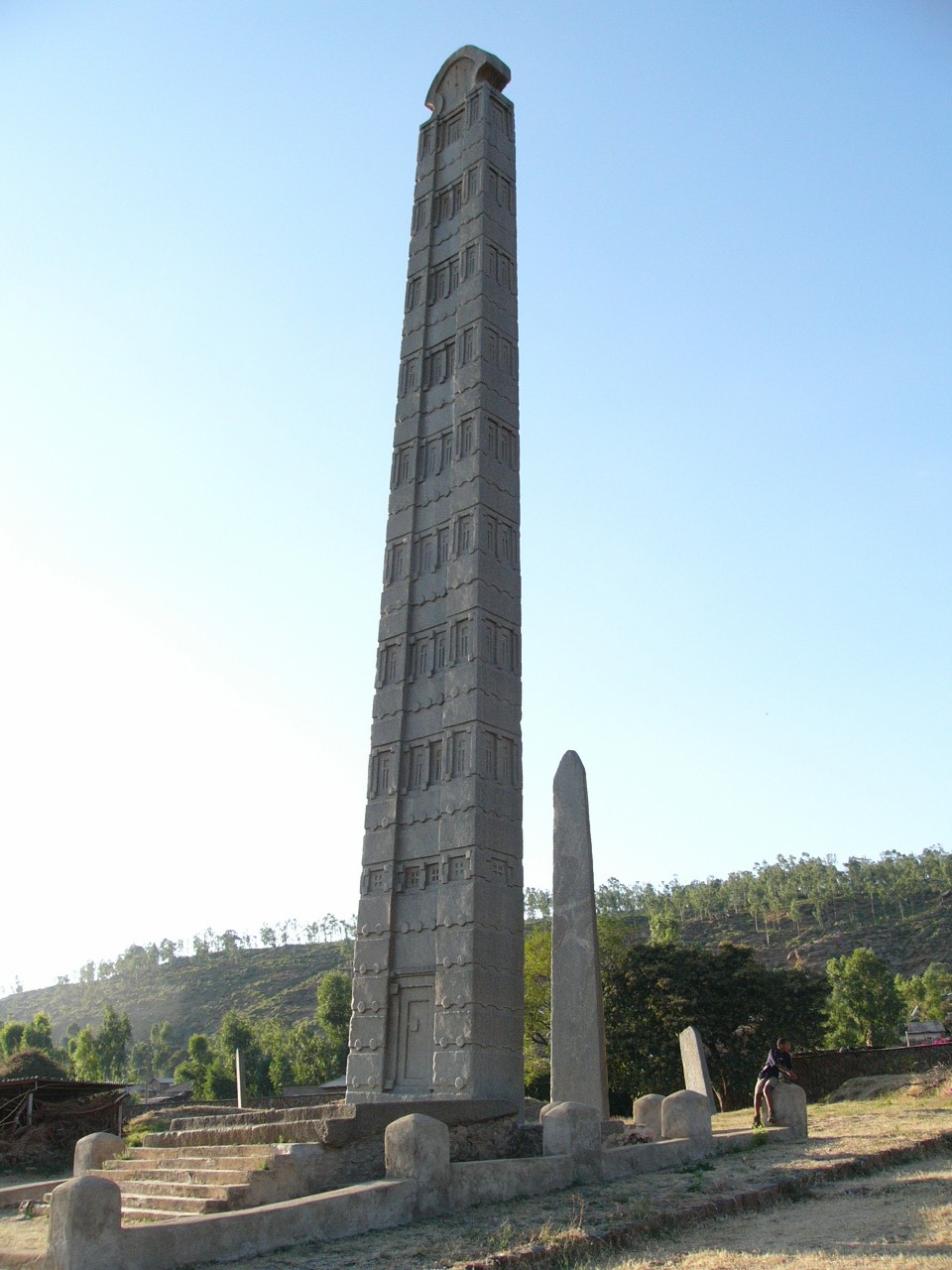
The Stelae of Axum are monuments to past Kings of Aksum the largest and most impressive from the 3rd and 4th century AD.

Some of the simpler Stelae are older

A short drive from Aksum is Yeha

The Lion of Yeha providing an geological marker

The remains of the Temple of Yeha is Ethiopia’s oldest standing structure. Estimated to be built in 700 BC

In the nearby monastery there are relics from Pagan times reflecting times when The Ibex and the sun and moon were sacred

And beautifully illustrated Christian manuscripts

Lalibella

Lalibella is a medieval city famous for its rock hewn churches built around the 12th century by the then King Lalibella.

There are 11 rock hewn churches in Lalibella

The most famous of which is the Church of St George (below)

The churches are also noted for their rock star clergy

Aksum and Lallibella are considered the most holy sites in Ethiopia and both are UNESCO world heritage listed and as such are the highlights of the Historic North of Ethiopia

Gondar is the stepping off city to explore the Simien Mountains and has its own treasures – in churches

and in the Castle

Bahar Dar is rounds out the main stops in the Historic North

With the beautiful Lake Tana which is the source of the Blue Nile

These are reflections of years past travelling in my mind during the Covid -19 lockdown in Melbourne

Reflective travelling in my mind!

Travel Vaccines and reflections of Africa – The Simien and Bale Mountains, Ethiopia


If you have travelled to Africa it is most likely you would have been required to have a yellow fever vaccination – still required in many countries

I got my Yellow Card, proof of vaccination 20 years ago on my first trip to the African Continent.

Being in the Melbourne, Australia COVID 19 lockdown it is a good chance to reflect on the need for vaccination and travel and the relationship between the two.

The Simien Mountains

The Simien Mountains are a World Heritage alpine area in the North of Ethiopia

Its also called the water tower of East Africa providing the source for the Blue Nile

The Blue Nile provides 80% of the water that reaches Egypt, flowing through Sudan where it meets with the White Nile to form the Nile River


With peaks up to 4,550 metres within the vast sprawling alpine range

A range of deep gorges, rugged peaks and waterfalls plummeting thousands of metres

The Simiens have unique flora and fauna

Such as the Giant Lobelia

The endemic Gelada (or bleeding heart baboon) and Olive baboons

And if you look closely a Walia Ibex

It was a three night trek through the Simiens

Camping in the Alps

Amazing sunsets and the high plateau

And watching the moon rise over the cliff tops from the gorges

The Bale Mountains

The Simien Mountains are in the North East of Ethiopia and the Bale Mountains in the South East

Almost bookends at each end of the Ethiopian Central Highlands

The Simiens in the Amhara Region and the Bale in the Oromia Region

The Bale Mountains are drier less dramatic that the northern bookend

These mountains are the catchment for the Jubba River system

Which flows across Ethiopia and Somalia to the Indian Ocean

The Bale Mountains are more easily accessed than the Simiens

Far better for catching sightings of the Ethiopian Wolf

And the amazing bird life

Also In the Bale Provence toward the Somalian Border is are the Sof Omar Caves

Its well over a decade since I travelled in these mountains with my family.

And yes a vaccine for Yellow Fever was compulsory

Maybe compulsory vaccinations will be more widespread for travellers in the future given COVID-19

Death of a Passport

It was only 10 years old

Im sure looking

at the picture

I hadnt changed

Still the same person I was

10 years ago

Not the first passport

I have had to put down

But the nature of the passport

like life

is changing

the passport of the future will be more electronic

less stamps

no ornate visas pasted in

but with a wave of scissors it was dead

barcode cut off

chip card snipped

Dead

no longer able to see me safely across borders

Many borders there have been

So let me reveal some of the adventures in those old ornate visas and stamps

Singapore, and India

Singapore the bustling humid city state.

Centre of trade between the hemispheres for centuries

The city  a mix of colonial and bustling modern edifaces

India the ancient history

Sights and smells that are almost overwhelming

Colour vibrancy and activity everywhere.

Ethiopia, Thailand and New Caledonia

Ethiopia the cradle of civilisation

An ancient culture

Home of coffee

Dramatic landscape from high mountains to desert planes,

Many tribes, and diverse wildlife.


Thailand- the kingdom in Asia

long held traditions


New Caledonia the French called it the Riviera of the South Pacific

A place of beauty

But with the tense undercurrent of colonisation bubbling beneath the surface

Vietnam baring the scars of the American war

An ancient culture its capital a city over 1000 years old

Bustling streets markets and waterways


The last stamps on the page are Schiphol Airport, Amsterdam.  The start of my recent European adventures but they have been documented in my recent posts.

Ten years of travel outside Australia, my home country recorded on the pages.

Vale passport!!!!


Art, Craft , Engineering – sometimes separated by a thin line

I often think of art in nature

or is that

nature and art

the beauty

lines and curves

symmetry

colour and light

I remember in Kenya

Birds

Flamingo

Flamingos at Lake Nakuru

Such colour

Crowned Crane

In art we try and capture such things often beautifully

but art in many ways is static

so is there a place where art meets craft

is there a place in manufacturing where the elements of motion

reflect art

Sometimes a yacht can walk that line

craftsmanship in wood,

Finely shaped

Art in motion

Futura painted to go back in the water
I also see this practical art in manufacturing

In this pair of beautiful Laverdas

Laverda SFC 750s