Fremantle and finding the convict streak in me

There were around 167,000 convicts transported to Australia from the UK and now Republic of Ireland

My Great Grandfather and his brother were two of them.

Driven by the horrors and starvation of the Irish Famine, they resorted to stealing cattle and were sentenced to transportation to Australia for 10 years.

They arrived by ship in Fremantle in 1853 after a long and torturous voyage.

The gates of Fremantle Gaol greeted them. Built by convict slave labour to incarcerate convicts. Its a World Heritage Site along other buildings built by convict labour.

So I thought I should visit the spirit of my forebears

A wing of the old Fremantle Gaol has been turned into hostel accomodation. I booked a cell.

A double cell in fact as the wall between every second cell was knocked out to allow enough room to fit a modern single bed in.

So did my spirit mingle with my Great grand father’s? Well I don’t know but thoughts of him and his story of marrying and moving east as a frontier pioneer have certainly permeated my mind. Since I was in Fremantle.

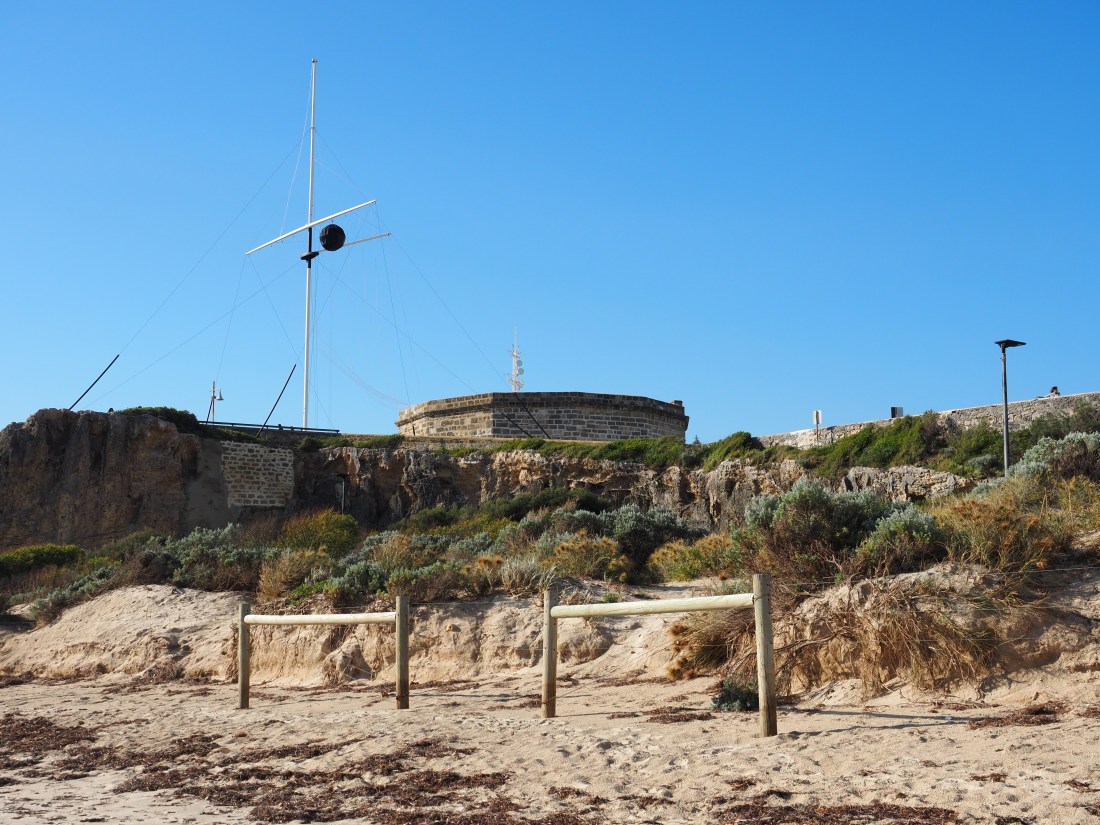
The Round House a prison fort was the first public building in the new Swan River Settlement later to become Perth.

The Fremantle Gaol soon followed as a major public building.

Fremantle is now a major port city of many beautiful historic building

But in 1853 the sight would have been very different for the 309 convicts who arrived with my Great grandfather.

After 110 days sailing from England on a putrid sailing vessel, where 10 convicts had died on voyage, the land that greeted them was dry brown and barren compared to Ireland.

But their home had been gripped with famine since 1845. During ‘The Famine’ its estimated 1 million Irish people died from hunger or disease related to malnutrition and another 1 million migrated to America, Australia and other destinations to escape starvation and British brutality.

For some of the convicts, the sight of the Australian landscape must have been frightening for others a lucky escape from a desperate life.

Their ship arrived in September, the start of Spring in Australia but where they came from the start of Autumn and the cold wet months of Winter. Did they even know that the next months would be hot and dry. Hotter than they had ever experienced.

My Great grandfather was convicted at the age of 20. Since 15 he had only known hunger. After being imprisoned for two years he was transported and at 22 he landed in the Great Southern Land.

So dear friends and followers now that I’m back in Melbourne and can publish from a laptop rather than a smartphone. I will take you, in the next few posts, from Fremantle on the trek of an Irish/ Australian convict pioneer as he and his family moved east with the expanding frontier of the Western Australian Colony in the second half of the 1800s.

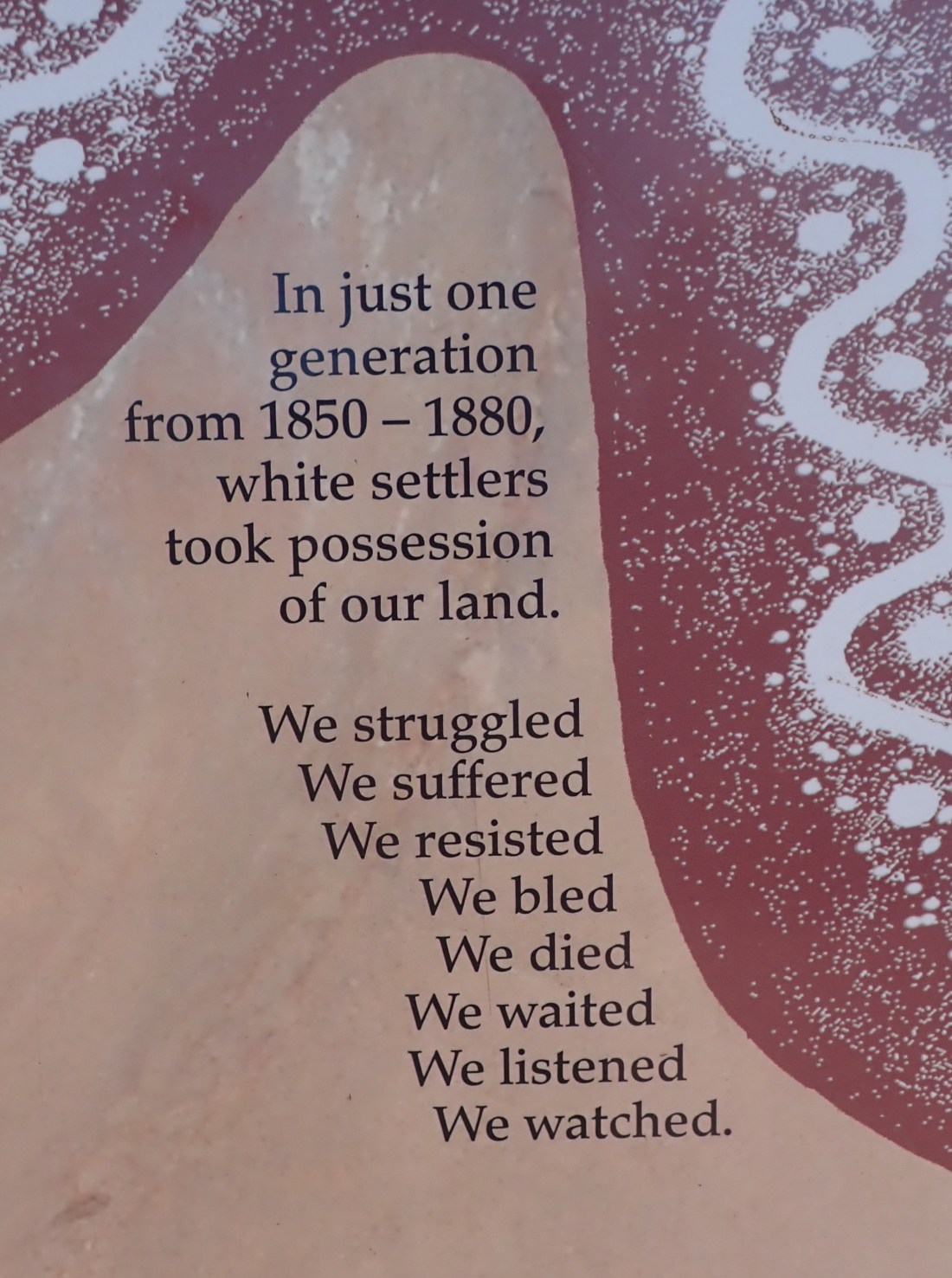
Central Australia Adventure 5 – always will be Aboriginal Land!

Interpretation at Arkaroo Rock

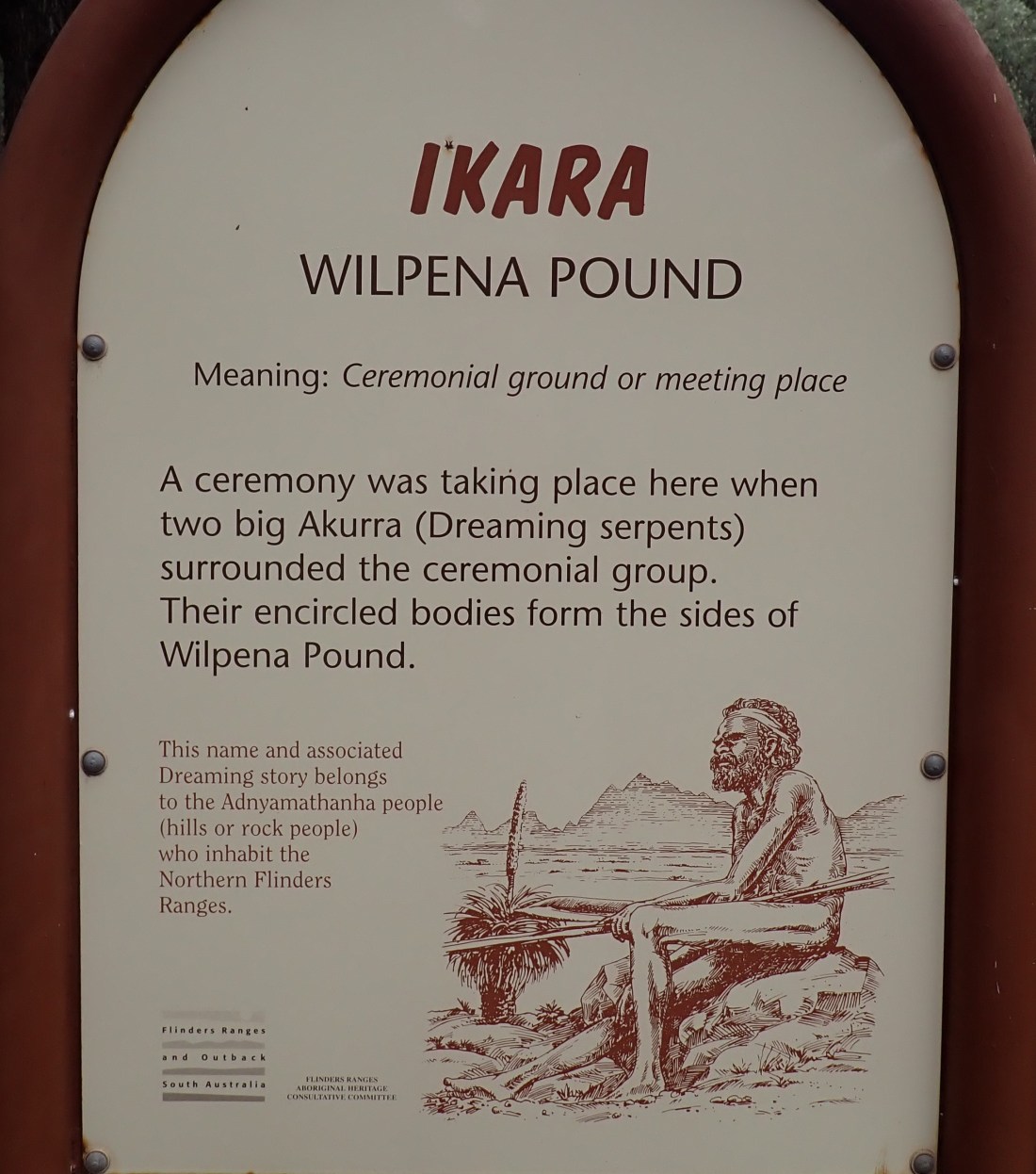
The Adnyamathanha people are the aboriginal custodians of the lands around Ikara, or the Flinders Ranges as the colonialists called this land.

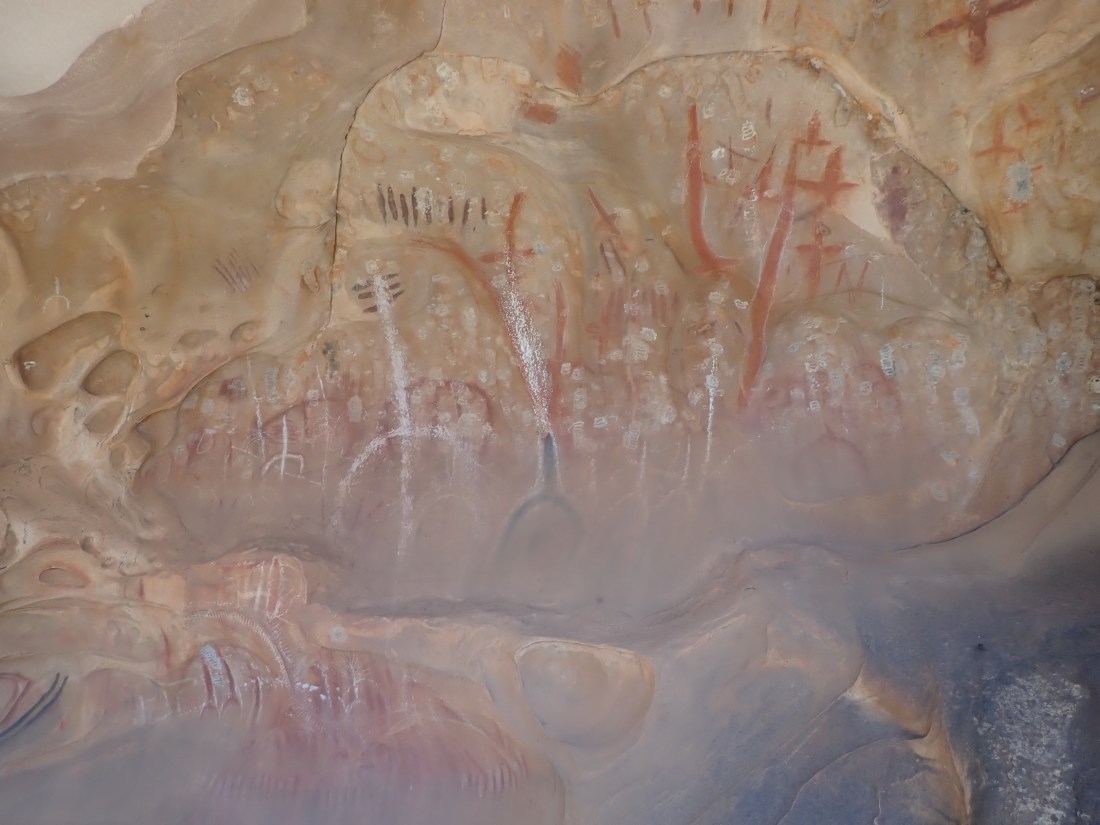
At Arkaroo Rock there are rock drawing that convey the dreaming stories of the Adnyamathanha.

These snippets from a large rock wall underplay the intricate linking of picture and storytelling that is contained on the rock wall

Stories such this one on the formation of Ikara.

Rock drawings change from region to region. The drawing in the Flinders Ranges differ to those in Kakadu, in Cape York and in other parts of Australia.

Each reflecting the stories and dreaming of the local Aboriginal people.

They also differ over time.

The rock etching in the Sacred Canyon and at Willow Springs being much older than that rock drawings are believed to predate the current aboriginal custodians of the land

For me the walk into Sacred Canyon is very spiritually moving.

Lets make sure we recognise and cherish this ancient culture that has lived in one with the land

Lockdown Reflections 6 – The Masai Mara National Reserve, Kenya , the Masai

The Masai Mara richly deserves its reputation as one of the great natural reserves in the world

Here one finds the living culture of the Masai people,

The amazing landscape of the the norther Serengeti Plane, and

Most notable the array of unique and amazing African wild life

The Masai are reputed to be warrior tribe but traditionally they have been primarily nomadic pastoralists roaming the grassy planes of what was once known as Masailand.

These days like many of the tribes in North East Africa the Masai way of life is in a battle to adapt to evolving life in Africa.

The nomadic life is more constrained due to population, land use and the desire to remain close to schools and education for the next generation.

Over the next few posts I will look at the amazing wild like of the Masaimara,

Lockdown Reflections 3 – Ethiopia’s Tribal South

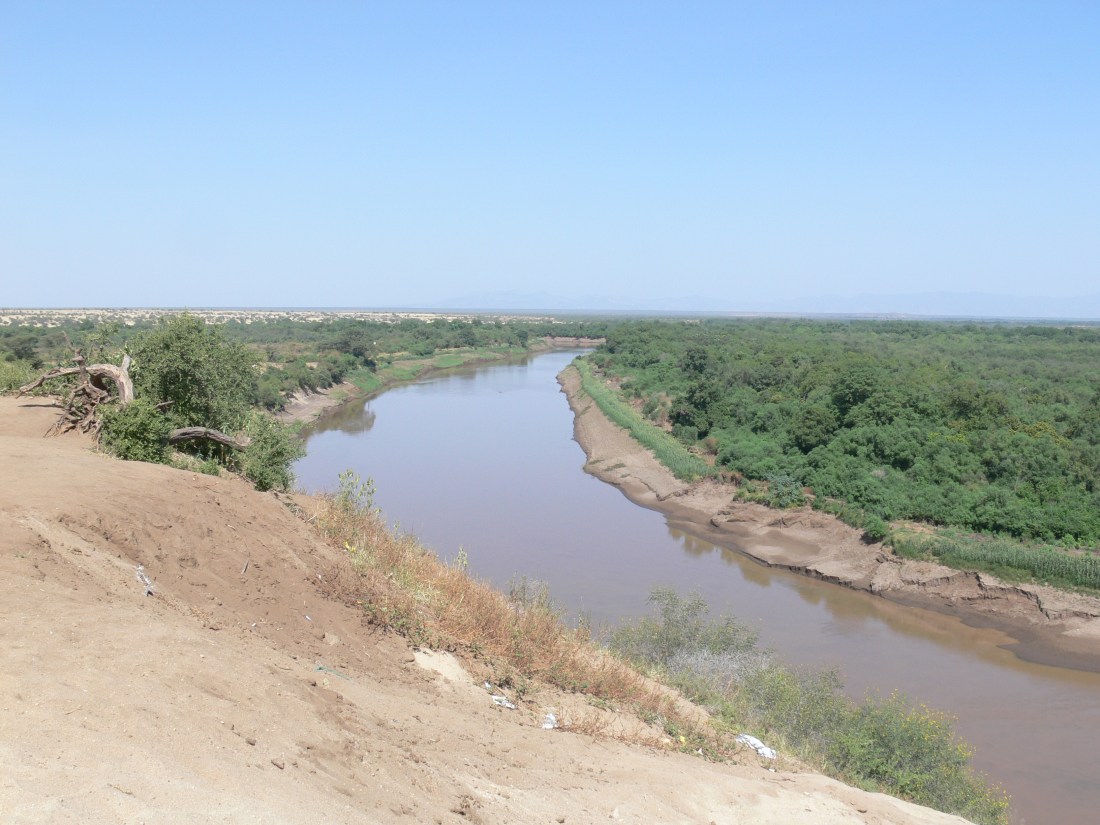
The Omo River valley is the centre of the tribal area of Ethiopia

The south east of Ethiopia near where the borders of Ethiopia, Kenya and South Sudan meet is home to a group of mainly nomadic tribes

It is largely a very traditional part of Ethiopia with numerous tribes, mainly nomadic, living in the highlands and valleys surrounding the Omo River

If visiting the part of the Ethiopia the South Omo Research Centre Museum, Which is a German/Ethiopian collaboration provides awonderful introduction to the tribes and their cultures in the Region

Outside the museum

Not far from Jinka along one of the dirt roads that connect villages

Roads which the walking paths through the landscape

Is the small market village of K’ey Afer which on market day is abuzz with colour and activity

Selling spices and earthenware

And cattle and sheep

K’ey Afer is n the Hamar tribal area

Each tribe is distinctive in clothing hairstyle and custom. Some tribes are less welcoming to tourists that others.

Like all traditional cultures though there is a challenge to of maintaining custom in the face of western society encroachment

Up in the mountains

Is the land of the Mursi, a warrior tribe and visiting without prior approval is not advised

The Omo River winds its south toward Lake Turkana which is the largest permanent desert lake and largest alkaline lake in the world.

This southern part of Ethiopia is very hot, dry and dusty a significant contrast to the cool moistness of the central plateau.

This is Dassanetch country and these nomadic herders land has traditionally spanned the borders of Ethiopia, Kenya and South Sudan

The simple housing reflective of the nomadic existence of the Dassanetch

There are over a dozen tribes in the South Omo Zone

Others include the Borani, Banna Surmu and others

All culturally and physical distinctive in their own ways.

It is nearly 13 years since visiting this part of Ethiopia and even then the tribal life here was under threat. – Like traditional life in all continents.

Since this time the Omo River has been dammed and resettlement from the more populous parts of Ethiopia into this Zone has accelerated.

All this presents a survival challenge for these traditional tribes , their culture and way of life

Sailing Ships upon the Sea

1988 Hobart to Sydney Tall Ship Race

There is a certain romanticism of billowing sails carrying great ships across the sea

Distant shores unexplored

Harnessing the power of the wind

The power to cross vast oceans

The clouds of billowing sails

Masts reaching for the sky.

Ships from all parts of the world

Oman and the exotic east

The new world of the Americas

The old continents of Europe and Africa

These sailing giants covered the globe

As a young man I read and read Joseph Conrad and dreamt of the sea

My mind full of imaginary adventures in distant and exotic ports

The exotic ports of the trade winds in Lord Jim

The loneliness of being at sea and the weight of command in The Secret Sharer

The power of the weather and the sea in Typhoon

To be amongst the tall ships and the sailing tales of the crew

To sail away

Tech Note

These images were captured during the 1988 Hobart to Sydney Tall Ship Race on colour transparencies. I have rephotographed these with my digital camera using an Emora slide copier extension tube attached to the my camera lens.