Lakes in Western Greece and North Macedonia.

Sometimes, advice comes from the strangest quarters.

I buy cheese regularly from a stall at Victoria Market in Melbourne. The cheese seller is a biker and of Greek heritage. His mum lives in Niki on the Greece/ North Macedonian border. He told me the lakes and mountains in this area we very special. They are let me show you!

Arnissa is a beautiful little village on the banks of Lake Vegoritida, nestled in the mountains on the Greek/ North Macedonia border

But the best lakes were over the border in North Macedonia.

I was guided to these lakes by a chance aquaintance at Victoria Market.

This is where I buy my cheese and the cheeseman is a biker of Greek origin whose mum lives in Niki on the Greek/ Macedonian border.

He told me the riding and the scenery around Lakes Prespa and Ohrid was magnificent. And his advice was true.

Lake Prespa and Lake Ohrid are divided by a large limestone mountain range. Lake Prespa sits in a mountain basin and is 150 metres higher elevation than Lake Ohrid. The mirky shallow water of Lake Prespa is filteres through the limestone emerging form spings into the crystal clear waters of Lake Ohrid. The Lakes are believed to be the oldest in Europe, having been in existence for more than 1 million years.

Lake Prespa is a place for birds and fishing. The shores are primarily agricultural with a few hotels.

The mountains between the two lakes form the Galicica National Park.

The trails in the forests are beautiful for walking, and the roads are magical for motorbike riding.

The spring sourced from Lake Prespa flows at the southern end of the lake is the Monastery of Saint Naum

The mountains provide beautiful views of the lakes and countryside.

The mountains also allow for paragliding over Lake Ohrid.

The water of Lake Ohrid is just beautiful. The eastern side of the lake in North Macedonia and the western side Albania. The City of Ohrid sits at the Northern end of the lake.

Small villages are dotted around the sure as well as big resorts. This is a tourist lake with some amazing history.

At the southern end of the lake, there is the Monastery of St Naum, which is reputedly the oldest Byzentine monastery in the world.

This is where the mountain filtered spring water from Lake Prespa flows into Lake Ohrid.

In Ohrid the Church of Saints Clement and Panteleimon is also a historic treasure. Both the church and the Roman ruins.

Doing this post reminds me I must once again thank the cheese seller for his wonderful travel advice.
A short trip to North West Victoria – the silo art trail

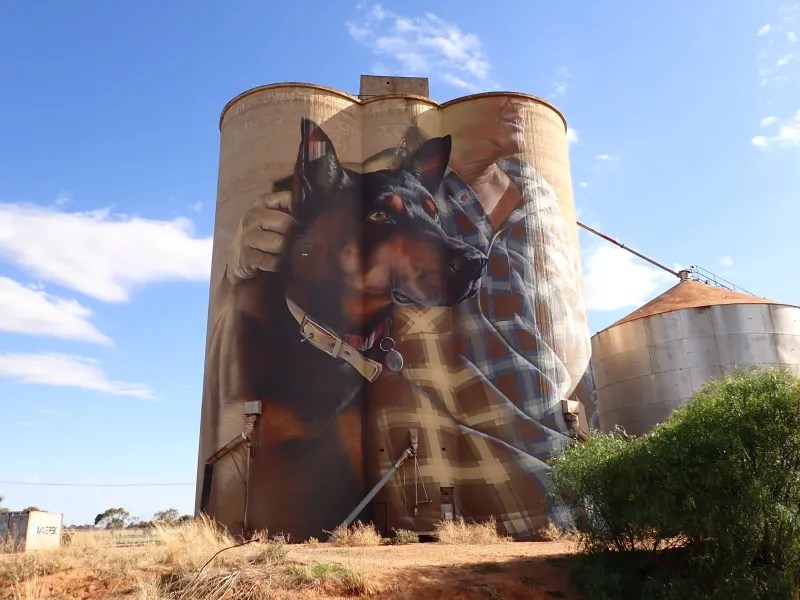
On the road to Sea Lake there is the little settlement of Nullawil with its beautifully painter silo.

This is the eastern most point on the Victorin Silo Art Trail. The trail covers around 700km of the Wimmera Mallee region and includes 13 painted silos.

As this was only a short trip I can only offer a sample of the artwork.

Nullawil

Sea Lake

Sea Lake has some beautiful street murals as well.

Heading south west from Sea Lake the village of Lascelles has the next painted silo.

Then running south there is Roseberry

Then Brim, the first of the silos to be painted and completed in 2016

The last silo on this trip was in Rupanyap.

As you can imagine this is grain growing country. Mainly wheat but also other grains and pulses.

At Murtoa, there is ‘the stick shed’. A huge grain storage shed with a floor space of 1.5 ha and the roof held up by massive poles or sticks.

There were many of these sheds built around Australia in the 1940s but this is the last surviving “stick shed”. It’s a wonderful piece of Australian national heritage.

For more information on the Victorian Silo Art Trail go to: http://siloarttrail.com

Setubal and Coimbra – Smaller cities in Portugal worth a visit

Setubal is a small waterside city just south of Lisbon where the Rio Sado meets the Ocean

Across the estuary is the is the holiday area of Troia. Coming up from the south it’s a beautiful ride along the Peninsula with a car ferry trip to Setubal.

The estuary is a major sanctuary for birdlife as well as contributing to Portugal’s self sufficiency in rice.

It’s was a beautiful dawn to watch birds in the morning.

And go for a ride along the coast in the afternoon.

Have a bit of a swim and a beer at the MotoCultureClub bar.

It’s a picturesque ride through the mountains from Setubal to Coimbra. Especially once you get free of the traffic around Lisbon.

Coimbra is a university one of the oldest in the world. Perched in the mountains inland between Lisbon and Porto.

The university sits up on the high point of the city being seen and seeing!

Climbing the steep steps and alley ways is good training for the steep cliffs of Porto or an Alpine hike depending on what your plans are!

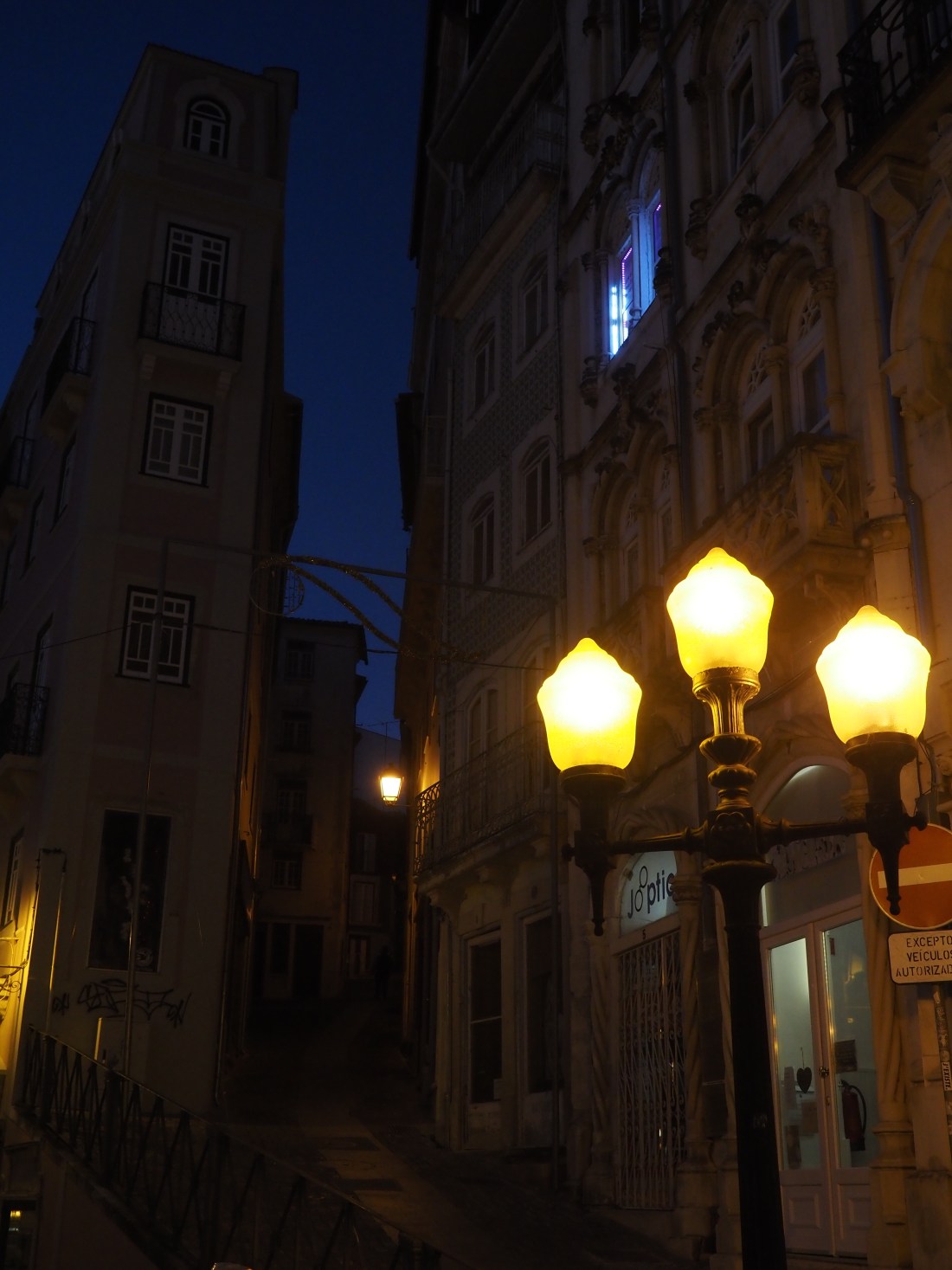
Every night Fado plays in a little Bar at the base of the old town.

https://piecemealadventurer.com/wp-content/uploads/2022/07/20220630_222103.mp4

Hear the Fado as you walk the alley ways of Coimbra.

The old historic buildings of the university reflect the opulence of the time. Especially the old library.

These are two contrasting small cities in Portugal I’d recommend.

Riding the ships of the desert in the biggest sand sea in Morocco – Erg Chegaga

M’hamid el Ghizlane is at the end of the road the leads into the dessert.

It’s a strange way to start a story about going to Morocco at the end of the road into the desert at a town only 40km from the closed Algerian border.

But this is discontinuous narrative and at some stage I will get back to the start of the journey.

But getting to the desert and it’s nomadic herders was a dream for me.

At M’hamid the mighty breva was garaged while the crew at https://www.desertbivouac.com/ took control.

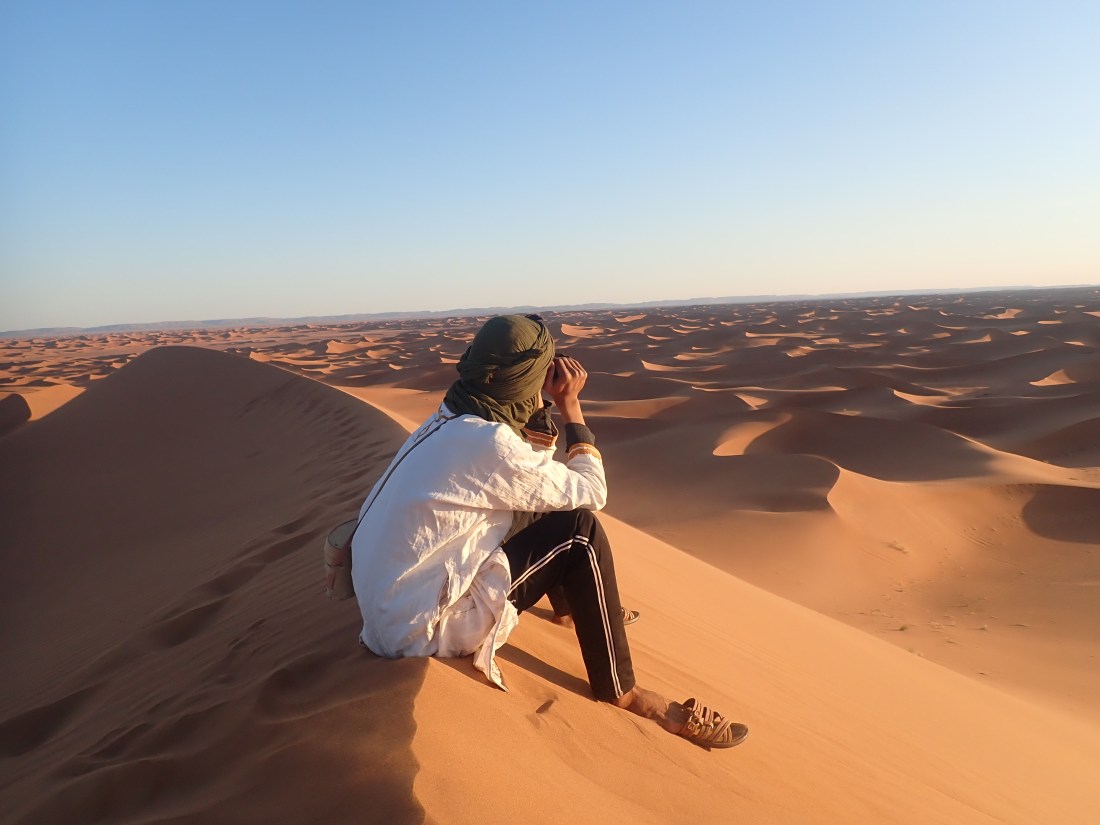
The Erg Chegaga is the biggest sand sea in Morocco and a perfect place get the feel of the desert.

At the one of the small oasis, or…

Or riding a ship of the desert in a sand sea.

Riding the waves of sand up to 300m high.

Waves that change colour with the setting sun.

To time this adventure with a desert full moon was extra special.

And to sit on a Berber carpet in the desert listening to the sounds of Bedouin singing and drumming beside the camp fire under its silver light

This has to be one of my most amazing travel experiences. So thanks to Desert Bivouac

Lockdown Reflections 3 – Ethiopia’s Tribal South

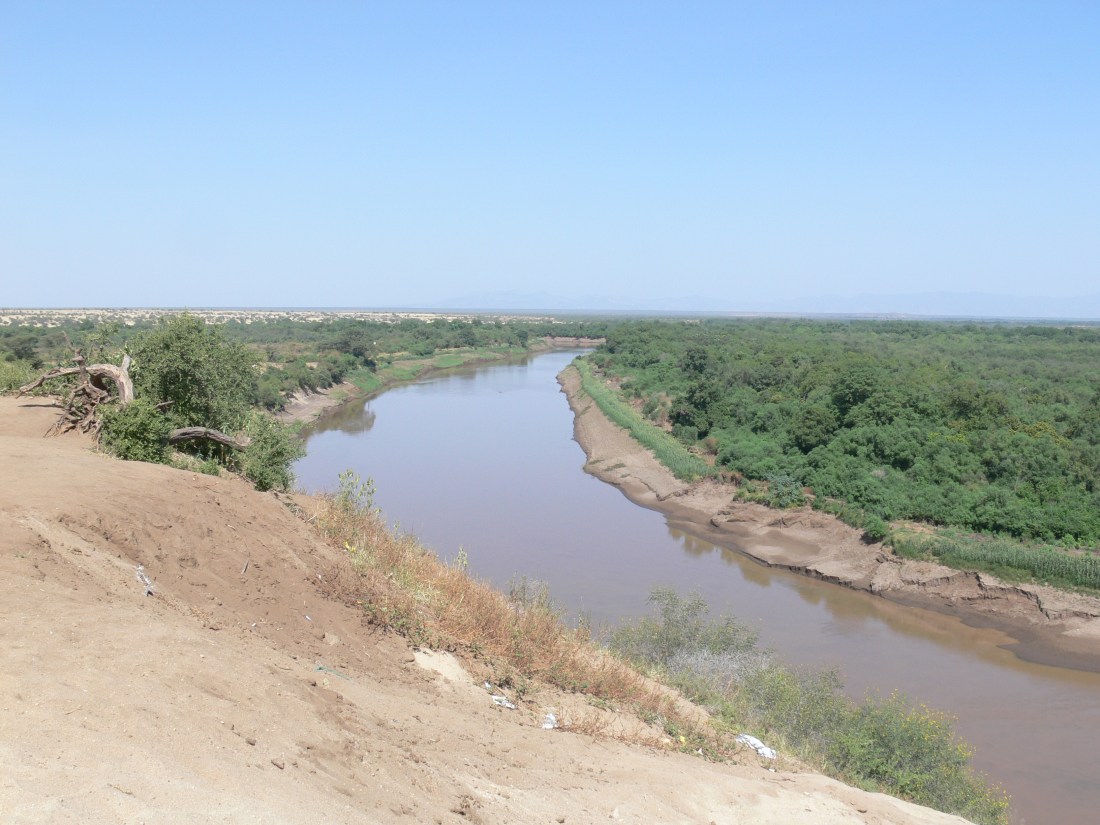
The Omo River valley is the centre of the tribal area of Ethiopia

The south east of Ethiopia near where the borders of Ethiopia, Kenya and South Sudan meet is home to a group of mainly nomadic tribes

It is largely a very traditional part of Ethiopia with numerous tribes, mainly nomadic, living in the highlands and valleys surrounding the Omo River

If visiting the part of the Ethiopia the South Omo Research Centre Museum, Which is a German/Ethiopian collaboration provides awonderful introduction to the tribes and their cultures in the Region

Outside the museum

Not far from Jinka along one of the dirt roads that connect villages

Roads which the walking paths through the landscape

Is the small market village of K’ey Afer which on market day is abuzz with colour and activity

Selling spices and earthenware

And cattle and sheep

K’ey Afer is n the Hamar tribal area

Each tribe is distinctive in clothing hairstyle and custom. Some tribes are less welcoming to tourists that others.

Like all traditional cultures though there is a challenge to of maintaining custom in the face of western society encroachment

Up in the mountains

Is the land of the Mursi, a warrior tribe and visiting without prior approval is not advised

The Omo River winds its south toward Lake Turkana which is the largest permanent desert lake and largest alkaline lake in the world.

This southern part of Ethiopia is very hot, dry and dusty a significant contrast to the cool moistness of the central plateau.

This is Dassanetch country and these nomadic herders land has traditionally spanned the borders of Ethiopia, Kenya and South Sudan

The simple housing reflective of the nomadic existence of the Dassanetch

There are over a dozen tribes in the South Omo Zone

Others include the Borani, Banna Surmu and others

All culturally and physical distinctive in their own ways.

It is nearly 13 years since visiting this part of Ethiopia and even then the tribal life here was under threat. – Like traditional life in all continents.

Since this time the Omo River has been dammed and resettlement from the more populous parts of Ethiopia into this Zone has accelerated.

All this presents a survival challenge for these traditional tribes , their culture and way of life